10 Simple Ways to Make a Difference in Climate Action Today
Climate change affects every corner of the planet, and the need for action has never been clearer. While large-scale policies and innovations are crucial, individual efforts also play a vital role in reducing our collective impact. You don’t need to wait for governments or corporations to act. Small, everyday choices can add up to meaningful change. Here are ten simple ways you can contribute to climate action right now.

Use Energy Wisely at Home
Reducing energy consumption lowers greenhouse gas emissions. Start by switching to LED bulbs, which use up to 75% less energy than traditional bulbs. Unplug devices when not in use to avoid “phantom” energy drain. Adjust your thermostat by a degree or two; even small changes can save significant energy over time. If possible, invest in energy-efficient appliances that carry the ENERGY STAR label.
Choose Sustainable Transportation
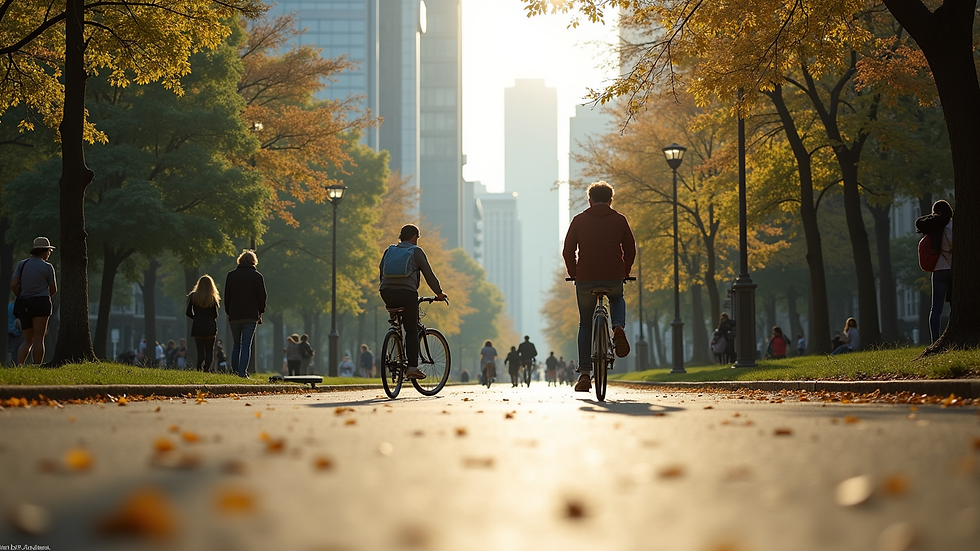
Transportation is a major source of carbon emissions. Whenever you can, walk, bike, or use public transit instead of driving. Carpooling with friends or colleagues also reduces the number of vehicles on the road. For longer trips, consider trains over planes, as trains generally emit less carbon per passenger mile. If you drive, maintain your vehicle regularly to improve fuel efficiency.
Reduce, Reuse, and Recycle
Waste contributes to climate change through methane emissions from landfills and the energy used in producing new goods. Cut down on single-use plastics by carrying reusable bags, bottles, and containers. Repair items instead of discarding them. When recycling, follow local guidelines carefully to ensure materials are processed correctly. Composting organic waste also reduces landfill methane and enriches soil.
Support Renewable Energy
If your utility offers a green energy option, sign up to get electricity from renewable sources like wind or solar. Installing solar panels on your home is another way to generate clean energy. Supporting community solar projects can help those who cannot install panels themselves. By choosing renewable energy, you reduce reliance on fossil fuels that drive climate change.
Eat a Climate-Friendly Diet
Food production, especially meat and dairy, generates significant greenhouse gases. Incorporate more plant-based meals into your diet. Try “Meatless Mondays” or explore vegetarian recipes that use beans, lentils, and vegetables. Buying local and seasonal produce reduces emissions from transportation and storage. Reducing food waste by planning meals and saving leftovers also helps.
Conserve Water
Water treatment and heating consume energy, so saving water indirectly reduces emissions. Fix leaks promptly and install water-efficient fixtures. Take shorter showers and turn off the tap while brushing your teeth. Collect rainwater for gardening when possible. These small steps add up to less energy use and a smaller carbon footprint.
Advocate for Climate Action
Your voice matters. Contact local representatives to express support for climate policies. Join community groups focused on sustainability. Attend public meetings or participate in climate marches. Sharing information with friends and family raises awareness and builds momentum for change. Collective action can influence decisions that shape the future.
Choose Sustainable Products
Look for products made from recycled or sustainably sourced materials. Avoid fast fashion by buying fewer, higher-quality clothes that last longer. Support companies with transparent environmental practices. When shopping, consider the product’s entire lifecycle, including packaging and disposal. Making mindful purchases reduces demand for resource-intensive goods.
Plant Trees and Support Green Spaces
Trees absorb carbon dioxide and provide habitat for wildlife. Participate in local tree-planting events or start a garden with native plants. Green spaces improve air quality and help cool urban areas. Even small efforts like planting shrubs or maintaining a balcony garden contribute to a healthier environment.


Comments