Green City, Green State: Building Sustainable Communities Together

Creating a green city and a green state is no longer just a dream. It is a necessity. Our environment faces many challenges, from climate change to pollution. But local communities can make a big difference. I want to share how we can all take simple, practical steps to build greener, healthier places to live.
Why Green Cities and States Matter
Cities and states shape how we live, work, and play. They also impact the environment. Urban areas use a lot of energy and produce much waste. This affects air quality, water, and wildlife. But green cities focus on reducing harm and improving nature.
Green cities:
Use clean energy sources
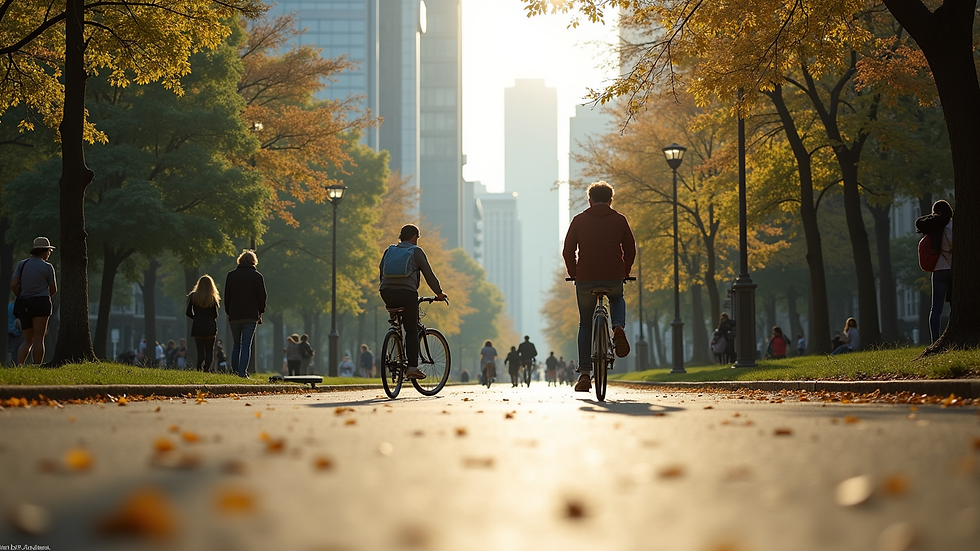
Promote public transport and biking
Protect parks and green spaces
Manage waste responsibly
Support local food and sustainable products
Green states support policies and programs that help cities grow in eco-friendly ways. Together, they create healthier air, water, and soil. This benefits everyone’s health and well-being.
How Communities Can Lead the Change
Change starts at home and in neighborhoods. Small actions add up. Here are some ways communities can help build green cities and states:
Plant trees and gardens to improve air and provide shade
Use energy-efficient appliances and lighting
Choose public transit, walk, or bike instead of driving
Reduce, reuse, and recycle waste
Support local farmers and markets for fresh, low-impact food
One great example is the use of solar panels. Installing solar panels on homes and public buildings cuts down on fossil fuel use. It also saves money on energy bills. Many cities offer incentives to help residents switch to solar power.
Products That Help Build Green Cities
I want to highlight two products that make it easier to live sustainably and support green cities.
Solar Panel Systems
Solar panels convert sunlight into electricity. They reduce reliance on coal and gas power plants. Solar systems can power homes, schools, and businesses. They lower carbon footprints and energy costs.
For example, the SunPower Solar Panel System offers high-efficiency panels that last for decades. They come with monitoring tools to track energy use and savings. Installing solar panels is a smart step for anyone wanting to contribute to a green city.
Smart Water Management Systems
Water is precious. Cities need smart ways to use it wisely. Smart water management systems monitor water use and detect leaks early. They help reduce waste and protect local water sources.
The AquaSave Smart Water System uses sensors and apps to track water consumption in real time. It alerts users to leaks and suggests ways to save water. This technology supports green cities by conserving a vital resource.
Both solar panels and smart water systems show how technology can support sustainability. They make it easier for individuals and communities to take action.

The Role of Local Governments and Policies
Local governments play a key role in building green cities and states. They can:
Set building codes that require energy efficiency
Invest in public transit and bike lanes
Protect green spaces and wildlife habitats
Promote recycling and composting programs
Offer incentives for renewable energy use
For example, some cities have banned single-use plastics to reduce waste. Others have created urban farms to increase local food production. These policies help communities live more sustainably.
States can support these efforts by funding green infrastructure projects and passing laws that encourage clean energy. Together, cities and states create a strong foundation for climate action.
How Students and Individuals Can Get Involved
Everyone can help build a green city and state. Students and individuals have many ways to contribute:
Join local environmental groups or clubs
Volunteer for tree planting or clean-up events
Advocate for green policies at city council meetings
Educate friends and family about sustainability
Choose eco-friendly products and reduce waste
Taking part in community projects builds connections and spreads awareness. It also shows leaders that people care about the environment. Small steps by many people lead to big change.
The Power of Community Climate Action
Climate action is not just about big projects. It’s about everyday choices and teamwork. When communities work together, they create lasting impact.
For example, a neighborhood might start a composting program to reduce food waste. Or a school could install solar panels and teach students about clean energy. These efforts inspire others and build momentum.
The phrase "Climate Action Hub aims to empower local communities to take accessible and actionable steps towards climate resilience" fits perfectly here. It reminds us that climate action is within reach for all of us.

Moving Forward: Steps to Build Your Green City
If you want to help build a green city or state, start with these steps:
Learn about your city’s sustainability plans and goals
Use energy and water wisely at home
Support local green businesses and products
Get involved in community environmental projects
Speak up for policies that protect the environment
Every action counts. Together, we can create places where people and nature thrive. Green cities and states are possible when we all do our part.
Building a green city and green state is a shared journey. It takes effort from individuals, communities, and governments. By using smart products like solar panels and water management systems, supporting green policies, and taking local action, we can protect our planet and improve our lives. Let’s start today and build a sustainable future for all.


Comments